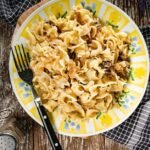
Few things in life offer the pure, soul-warming comfort of a classic bowl of chicken noodle soup. When you are feeling under the weather, dealing with a chilly evening, or simply craving a quick, nostalgic meal, it is the ultimate remedy. But opening a commercial canned soup often leaves you with mushy noodles, overly salty broth, and questionable preservatives.
What if you could capture that authentic, slow-simmered, stove-top flavor in a convenient, shelf-stable format?
This Homemade Chicken Noodle Soup Mix is the perfect solution. It is a beautiful, layered dry mix that stores wonderfully in your pantry or serves as a thoughtful, charming gift for friends, neighbors, or loved ones. When you are ready to serve, all it takes is a pot of boiling water and a few minutes on the stove to bring a rich, deeply savory, and vibrant soup to life.
Why Make Your Own Dry Soup Mix?
Creating a DIY soup mix gives you total control over what goes into your food. Most store-bought flavor packets rely heavily on monosodium glutamate (MSG), excessive sodium, and artificial anti-caking agents. By mixing it yourself, you choose high-quality bouillon, choose your favorite aromatic herbs, and can even control the exact style of noodle you prefer.
Furthermore, using dehydrated and freeze-dried vegetables ensures that your vegetables retain their vibrant colors, essential nutrients, and natural textures without getting soggy during storage. When rehydrated, they plump up beautifully, mimicking fresh celery, carrots, and onions perfectly.
Part 1: Assembling the Dry Soup Mix
This recipe fills a standard 1-quart (32-ounce) mason jar, yielding enough dry mix to make a large, hearty pot of soup (about 6 to 8 generous servings).
Equipment Needed
-
1-Quart Mason Jar (clean and completely dry)
-
Funnel (optional, but highly recommended for neat layering)
-
Small mixing bowl
-
Measuring cups and spoons
Dry Ingredients List
The Base & Noodles:
-
2 cups Wide egg noodles (packed firmly)
-
1/2 cup Broken vermicelli or fine egg noodles (optional, helps fill the gaps between the larger noodles)
The Vegetable Layer:
-
1/3 cup Dehydrated carrot flakes or diced carrots
-
1/4 cup Dehydrated minced onions
-
1/4 cup Dehydrated celery flakes
-
2 tablespoons Freeze-dried peas or corn (adds a lovely pop of color)
The Flavor & Spice Core:
-
3 tablespoons Powdered or granulated chicken bouillon (or vegetable bouillon for a vegetarian base)
-
1 teaspoon Garlic powder
-
1 teaspoon Onion powder
-
1/2 teaspoon Dried parsley flakes
-
1/4 teaspoon Dried thyme
-
1/4 teaspoon Dried rosemary (crushed finely)
-
1/4 teaspoon Ground black pepper
-
1/8 teaspoon Celery seed (gives it that classic “canned soup” nostalgia without the chemical additives)
-
1 Small bay leaf (tucked right into the spice mix)
Assembly Instructions
Layering your jar looks beautiful and prevents the fine spices from settling entirely to the bottom right away.
Part 2: Cooking Instructions (From Jar to Table)
When it is time to transform this jar into a piping hot meal, the process is incredibly straightforward. You can enjoy the soup entirely as a light broth-and-noodle dish, or easily upgrade it into a thick, protein-heavy meal by adding fresh or leftover chicken.
Fresh Ingredients Needed at Cooking Time:
-
8 to 10 cups Water (use 8 cups for a thicker, noodle-rich soup; 10 cups for a lighter broth)
-
2 cups Cooked chicken, shredded or diced (rotisserie chicken works perfectly here)
-
1 tablespoon Butter or olive oil (optional, adds a rich mouthfeel to the broth)
Cooking Intensity & Time Breakdown
To ensure your noodles don’t turn to mush while allowing the dehydrated vegetables to rehydrate completely, you must follow the correct temperature intensities.
| Stage | Burner Intensity | Target Duration | Purpose |
| Stage 1: The Initial Boil | High Heat | 5 to 7 minutes | Bringing water and seasonings to a rolling boil to activate the bouillon base. |
| Stage 2: The Veggie Simmer | Medium-Low Heat | 10 minutes | Slow, steady heat to plump up the dried carrots, celery, and onions. |
| Stage 3: The Noodle Drop | Medium Heat | 8 to 10 minutes | Gentle, active bubbling to cook the egg noodles until perfectly al dente. |
| Stage 4: The Final Rest | Heat Off (Burner Off) | 3 to 5 minutes | Allowing the starch to settle, flavors to meld, and soup to cool to safe eating temperature. |
Step-by-Step Cooking Guide
💡 Pro-Tip for Gifting
If you are giving this jar away as a holiday or housewarming gift, print out these cooking instructions on a small card, punch a hole in the corner, and tie it around the neck of the jar using a piece of rustic twine or colorful ribbon. It adds an artisanal, boutique feel that everyone loves.
Nutritional Estimation
The exact nutritional values will shift slightly depending on the brand of chicken bouillon you select and whether you choose to add extra breast or thigh meat at the end. Below is an approximate nutritional breakdown per serving, based on a yield of 6 generous servings per jar (cooked with 8 cups of water and 2 cups of skinless white-meat chicken breast).
| Nutrient Component | Value Per Serving | % Daily Value (DV)* |
| Calories | 185 kcal | 9% |
| Total Fat | 3.5 grams | 4% |
| Saturated Fat | 1.0 grams | 5% |
| Cholesterol | 45 milligrams | 15% |
| Sodium | 820 milligrams | 35% |
| Total Carbohydrates | 22 grams | 8% |
| Dietary Fiber | 1.5 grams | 5% |
| Sugars | 2.0 grams | — |
| Protein | 16 grams | 32% |
Percent Daily Values are based on a 2,000-calorie diet. Your values may be higher or lower depending on your calorie needs.
Storage & Shelf Life Guidelines
Because this mix relies entirely on shelf-stable, dry pantry elements, its storage longevity is fantastic if handled correctly:
-
Without Meat Added: The sealed dry jar will keep perfectly fine in your pantry for up to 6 months. For absolute best results, store it away from direct sunlight, stove steam, or major temperature fluctuations.
-
Long-Term Preservation: If you want it to keep even longer (up to a year), you can drop a small, food-safe oxygen absorber packet into the bottom of the jar before filling it with the ingredients.
-
Once Cooked: If you have leftover liquid soup after cooking, transfer it into an airtight container and store it in the refrigerator. Consume it within 3 to 4 days. Keep in mind that as it sits in the fridge, the egg noodles will continue to soak up the liquid broth, turning thicker over time. If needed, simply splash a little extra water or stock into the pot when reheating it the next day!

Hayyat is a talented content writer and digital marketer with expertise in SEO, social media management, and online marketing. She excels at creating impactful, data-driven content to help businesses connect with their target audience and achieve measurable outcomes.